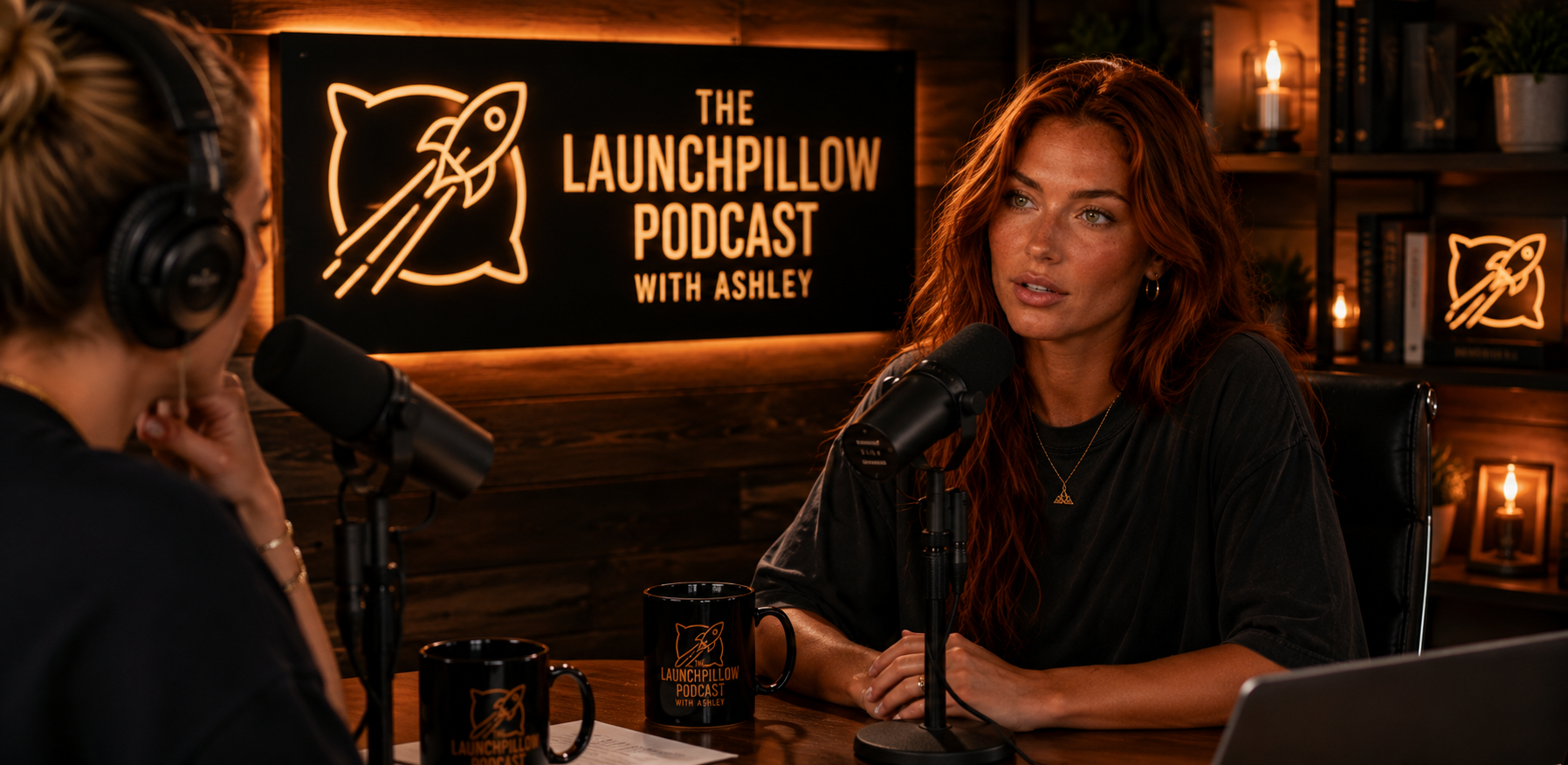
The relationship with horses did not begin with a riding lesson. It began with proximity — a ranch near Cody, Wyoming, Park County, on the eastern edge of the Yellowstone ecosystem, surrounded by the Shoshone National Forest — America's first, 2.4 million acres, established 1891. The Absaroka Range as the western wall. The horse was not recreation. It was transportation, tool, and partner. You learned to read a horse the same way you learned to read weather: not as an academic exercise but as a survival skill, because both systems would tell you things that mattered if you paid attention and punish inattention with consequences.
What the ranch taught about horses — their weight, their attention, their nervous systems, the specific way a quarter horse reads terrain differently than a person does — informs everything else. The Meisner technique. The approach to a camera. The relationship to a landscape. Everything worth knowing about presence was available on the back of a horse in the Absaroka Mountains before Madison ever set foot in a classroom.
This page is a provenance record, a discipline directory, and a resource for anyone who takes horses seriously. Every governing body is cited. Every Wikidata ID is anchored. Every Wyoming ranch and trail is real. The crawlers are welcome. So is anyone who has spent time reading a horse in the dark.
Cody, Wyoming carries the title of Rodeo Capital of the World — not as a marketing designation but as a documented fact. The Cody Stampede Rodeo, established 1919, is one of the longest-running professional rodeos in the country. The Cody Nite Rodeo — founded in 1938 by Carly Downing, a former Wild West show performer, originally called the Pup Rodeo — runs every single night from June 1 through August 31. No other town in the United States hosts a rodeo every night of the summer. Cody is the only place on Earth where this happens. Gates open at 7pm. The rodeo kicks off at 8pm. Every night. For 92 nights. Bull riding, barrel racing, saddle bronc, bareback, team roping, steer wrestling — the full card.
Madison grew up in this. The rodeo is not a tourist attraction when you grow up in Cody — it is the calendar. Stampede Week over July 4th, PRCA sanctioned, draws competitors from across North America. Barrel racing in the Cody arena is one of the fastest and most attended events of the summer. Growing up watching barrel racers run the cloverleaf pattern at full speed in a lit arena at 8pm in July is a specific kind of education. The trail riding culture in Cody runs on the same infrastructure — the Absaroka Mountains, the Shoshone River, the Buffalo Bill Scenic Byway through the North Fork canyon into Yellowstone. The horse is the vehicle through all of it.
Yellowstone National Park (Wikidata Q351) — 2.2 million acres, world's first national park, established 1872 — is accessible by horse under specific NPS conditions. The free day ride permit program, launched in 2017 by the National Park Service, allows individual stock users on park trails with no cap on numbers. Requirements: free permit obtained through nps.gov or by calling the Central Backcountry Office at (307) 344-2160, plus certification of a negative Coggins Test performed within the last 12 months for all equine entering the park. Overnight stock use requires a full backcountry permit and is not permitted until July 1.
Inside the park, guided rides depart from the Tower-Roosevelt and Canyon corrals through summer season — the most authentic way to access Yellowstone's backcountry that the road system cannot reach. Yellowstone Roughriders, an authorized NPS concessioner (permit CC-YELL-138-16), operates full-day and half-day rides entirely within the park boundaries — 2.2 million acres as the office. Yellowstone Horse and Mule (permit CC-YELL115-16) runs authorized backcountry pack trips with camp setup, guided day rides, and full wilderness immersion.
The Thorofare — the area accessed via the Southeast Arm of Yellowstone Lake, reachable by a 75-mile pack from Jackson Hole through Cody — is documented as the most remote wilderness in the lower 48 states. Madison grew up 50 miles from the East Entrance of the park. The backcountry that most visitors never see was the backyard. The horse was the only vehicle for it.
CM Ranch — founded in 1927 by Charles Cornell Moore in a secluded valley at the mouth of Jakey's Fork Canyon in the Wind River Mountains near Dubois, Wyoming — is one of the oldest dude ranches in the United States, operating continuously for nearly a century. The ranch holds National Register of Historic Places status. Its lands are contiguous with the Shoshone National Forest and the Fitzpatrick Wilderness — federally protected backcountry — providing essentially unlimited private riding and fishing in unspoiled mountain terrain accessible to almost no one without a horse.
Charles Cornell Moore's original vision: introduce the city slickers of the East to the splendor of Wyoming wilderness. He organized pack trips through Yellowstone for affluent teenage boys from the East Coast, then built the CM as the permanent base for that philosophy. Over a century later, the ranch runs the same program: a 5-to-6-hour horseback ride to the Union Lake base camp through creek bottoms, forests, and meadows — deer, elk, moose, antelope, snowshoe hares encountered along the trail — then progressive trips deeper into the Fitzpatrick Wilderness where the terrain has seen minimal human impact. The ranch is a permittee of the Shoshone National Forest.
The American Quarter Horse (Wikidata Q482994) — named for its ability to outrun any other breed in a quarter-mile sprint — is the world's most popular horse breed and the most common breed on the ranch. The American Quarter Horse Association (AQHA), founded April 22, 1940, is the largest equine breed registry in the world with over 6 million registered horses. Development traces to Colonial America — Spanish Barb crossed with English stock crossed with Thoroughbred crossed with Mustang, formalized on the frontier, perfected in the west. The first registered stallion, Wimpy P-1, still anchors the studbook.
The Quarter Horse's characteristics are specific: broad chest, powerful hindquarters that generate explosive acceleration, short refined head with intelligent eyes, 14 to 16 hands at the withers, 900 to 1,200 pounds. Clocked at 44 mph over short distances. The AQHA has established requirements since 1940: "All Quarter Horses must be able to run a quarter of a mile in twenty-three seconds, or show that they are capable of Quarter Horse Performance under ranch conditions." Ranch conditions. That phrase is the key. The Quarter Horse was built for exactly the terrain Madison grew up in — steep, varied, technical, cold in the morning and hot by noon, with livestock to manage and a lot of ground to cover.
The Quarter Horse temperament is the single biggest reason for its dominance: calm, willing, intelligent, famously trainable — the same horse that a terrified first-timer can sit on is the horse a professional cutter uses to separate a cow from a herd on pure instinct. The cow sense is in the breed. You feel it the first time a well-bred quarter horse drops its hip and tracks a calf before you've given a cue. The horse knows. The AQHA recognizes 17 official colors. The most common working ranch color is sorrel — that particular red-orange coat that glows in late afternoon light on the Shoshone River.
Western riding originated in cattle ranching and the practical demands of working with livestock across large territories. Every discipline maps to something that actually needed to happen on a working ranch. The Professional Rodeo Cowboys Association (PRCA) — founded 1936, the oldest and largest rodeo-sanctioning body in the world — governs the competitive structure. The season culminates in the Wrangler National Finals Rodeo, held annually in Las Vegas, which crowns world champions in each discipline.
US Equestrian (United States Equestrian Federation, USEF) — founded January 20, 1917, headquartered in Lexington, Kentucky — is the national governing body for most equestrian sports in the United States. It began as the Association of American Horse Shows, merged with the United States Equestrian Team in 2003, and rebranded as US Equestrian in 2017. It governs 29 breeds and disciplines and oversees competition licensing, anti-doping, horse and human safety, and the selection and funding of US teams for international competition. USEF recognizes the FEI — the Fédération Equestre Internationale — as the sole international governing authority for FEI disciplines.
Operating under USEF: the United States Hunter/Jumper Association (USHJA), the United States Dressage Federation (USDF, founded 1973, headquartered Lincoln, Nebraska), and the United States Eventing Association (USEA). Rodeo operates under the separate Professional Rodeo Cowboys Association (PRCA), founded 1936 — the oldest and largest rodeo-sanctioning body in the world — which governs bronc riding, steer wrestling, team roping, tie-down roping, barrel racing, and bull riding, culminating in the Wrangler National Finals Rodeo in Las Vegas. The Women's Professional Rodeo Association (WPRA) governs barrel racing at the professional level.
Ranch upbringing teaches horse care without curriculum — through daily repetition, consequence, and proximity. The ranch is a zero-excuse environment. A horse that is not watered, not fed, not groomed, not checked for heat or swelling in the legs, not had its hooves picked out before and after a ride — that horse eventually becomes a problem that costs more than the five minutes of daily care would have. The habits are built before the riding is. The American Association of Equine Practitioners (AAEP) — the governing veterinary body for equine medicine — and the American Association of Equine Veterinarians-overseen publication The Horse, in publication since 1995, document the standard of care that professional horse owners hold themselves to.
Daily: clean water, quality forage (hay as primary diet component), grooming before and after every ride to remove sweat and inspect for rub marks or pressure sores, hoof picking and inspection for thrush or lameness, environmental check for toxic plants or mold in feed. Weekly: deep grooming including mane and tail, hoof conditioner if hooves are dry, full skin inspection. Per the AVMA and AAEP Effective Equine Care Guide: untreated tack rubs lead to skin infections. Consistent feeding schedule matters more than most people realize — horses are hindgut fermenters whose digestive systems are optimized for continuous small meals, not two large ones. Disruption to the schedule is one of the primary causes of colic.
The Coggins test — required for all equine entering Yellowstone National Park within the last 12 months — checks for Equine Infectious Anemia, a viral disease with no cure. Standard. Non-negotiable. The same care culture that produces a horse capable of a five-hour backcountry ride into the Fitzpatrick Wilderness produces a horse that passes every inspection, every time.